Tech Canvas
Technology insights, Authored with Prompts and GenAI
Category: Enterprise Architecture
-
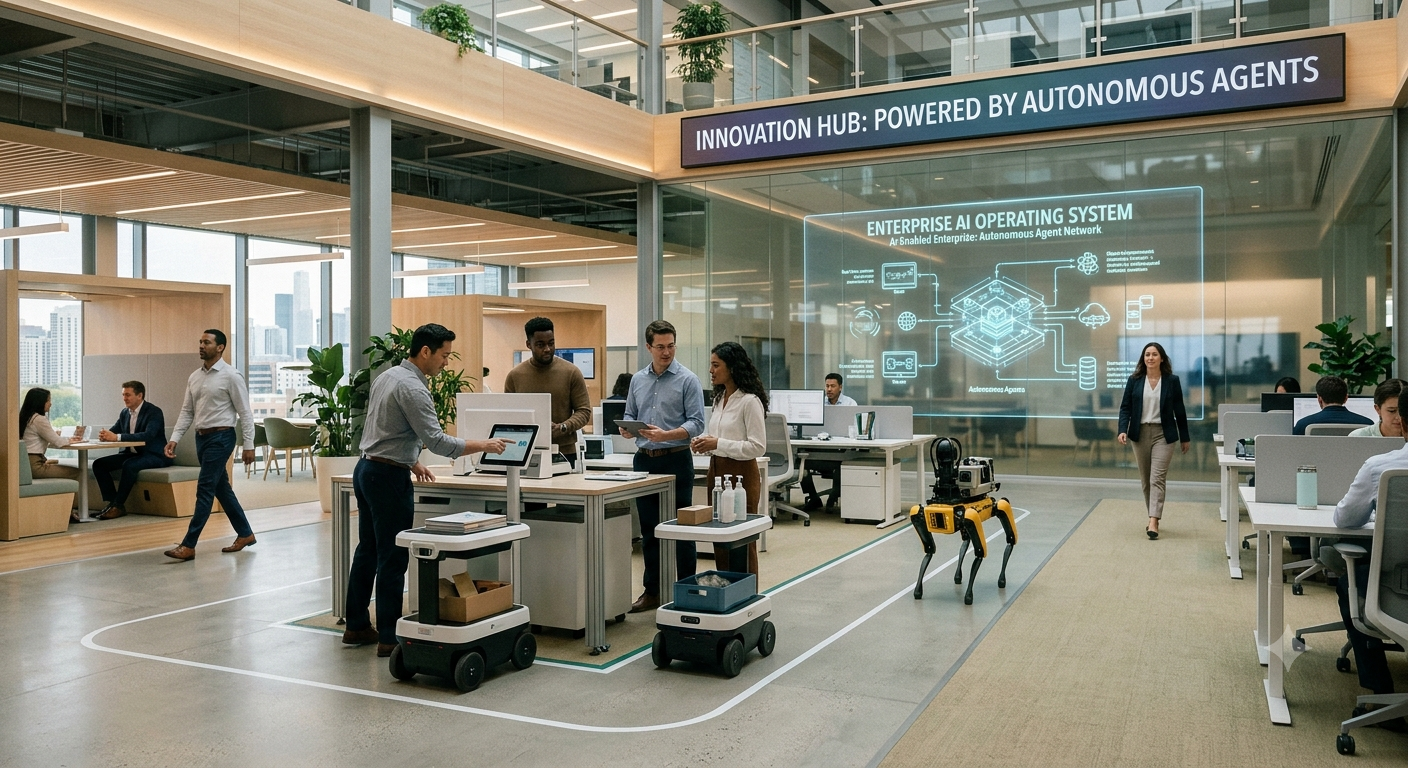
Enterprise AI Architecture should prioritize business outcomes over technology trends. Instead of focusing on agents and databases, the conversation should center on augmenting existing architectures to achieve faster software development, process automation, and improved decision-making. AI serves to enhance current capabilities, not replace them, making a strategic approach essential.
-

Most discussions about AI automation quickly converge on agents. The reality is that enterprises automate work in very different ways depending on where the process resides. Understanding those patterns is often more important than choosing the latest AI framework. Process Automation AI Starts with the Process One of the recurring themes in enterprise architecture is…
-
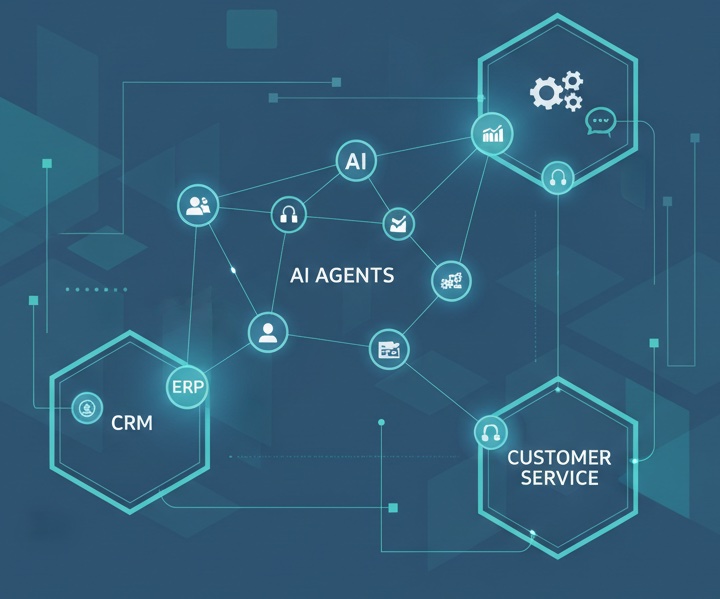
In the previous article, I described Cross-System Automation as the most transformative pattern of Process Automation AI. Unlike SaaS-native AI or AI-enabled strategic applications, cross-system automation requires AI to coordinate work across applications, documents, workflows, APIs, and people. This is where Agentic Architecture begins. Much of the current discussion around Agentic Architecture focuses on technology.…
-
Software engineering principles are not timeless truths. They are economic optimizations. For decades, the dominant constraint was the cost of implementing software. Writing, testing, integrating, and maintaining systems required significant time and specialized expertise. Many of the practices we now consider foundational — reuse, abstraction, shared services, centralized architecture, and specialized engineering teams — emerged…
-

Most AI platform architectures list sixteen components. Taken apart against real enterprise use cases, one is genuine infrastructure — and it belongs to a team you already have.
-
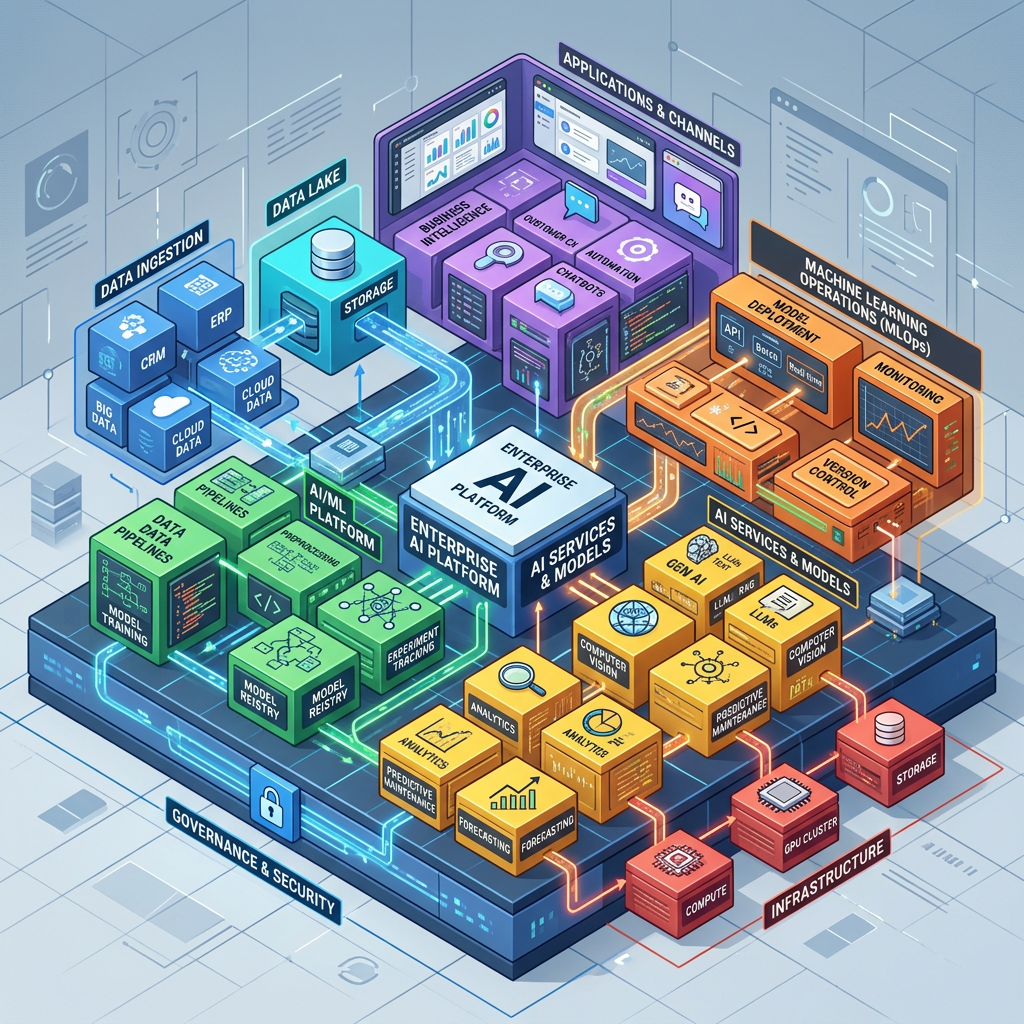
Model gateway, prompt registry, structured output, guardrails. Four boxes on every AI architecture diagram, and for a managed-model consumer they reduce to configuration, source control, one request parameter, and a page of rules.
-
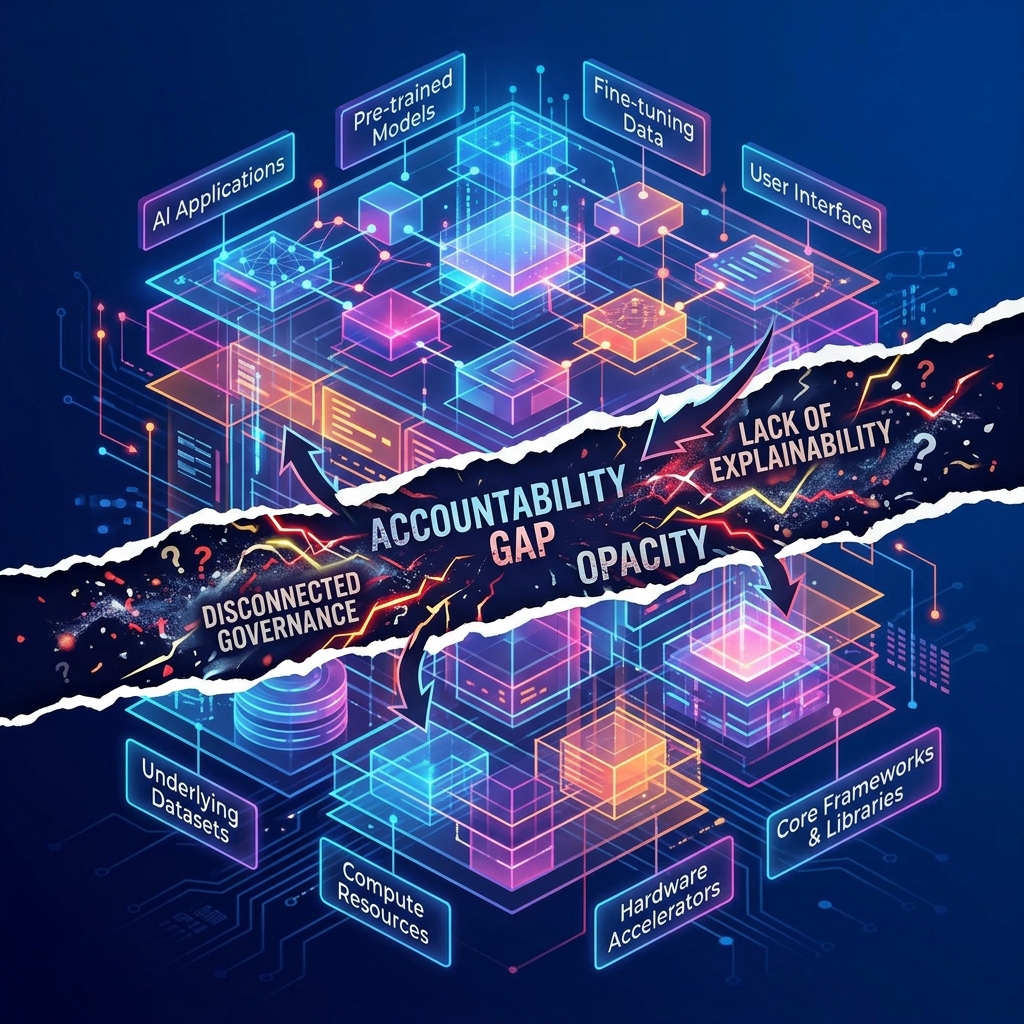
A probabilistic system passes every test your organization runs today and can still be wrong a third of the time. This is the one genuine gap in the AI platform stack, and it is an accountability gap rather than a tooling one.
-

Most enterprise AI arrives inside software you already bought, where none of your internal tooling reaches. Governance has to be expressed as what you require, not what you run.
-

Vector databases, agent runtimes, model registries, feature stores, GPU clusters. Five foundational layers that are either features of software you already run, or infrastructure for a problem you do not have.
-

Almost all of the standard AI platform stack is work your organisation already does under an unfamiliar name. One thing is genuinely missing, and it is not a technology.

